

project
Anamnesis
2025
[ information ]
- Genre:
- Website
- Technologies:
- JavaScript, Three.js, WebGL, GLSL, Canvas2D
- Tools:
- Figma, Nano Banana Pro
[ description ]
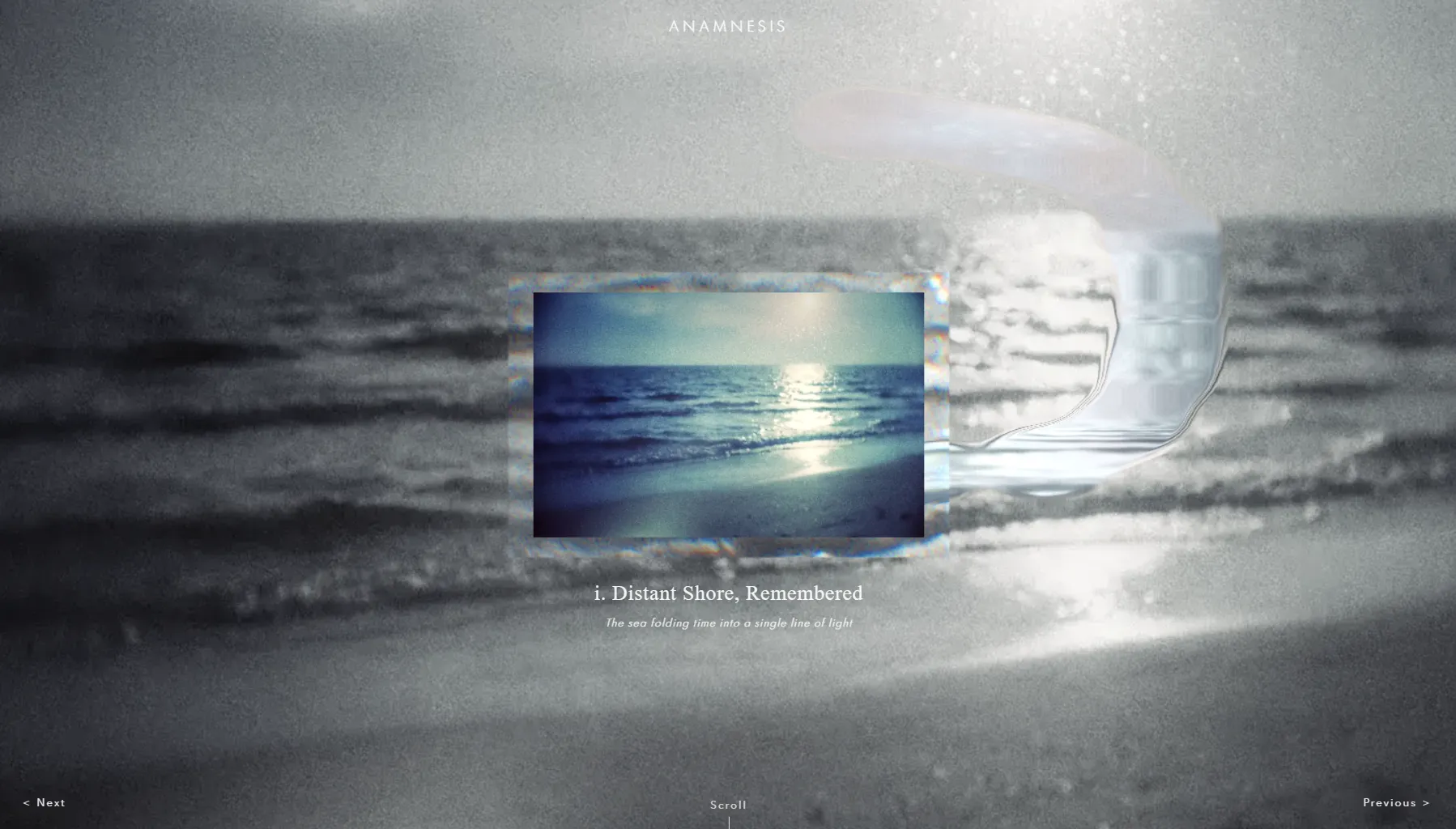
[ images ]
-
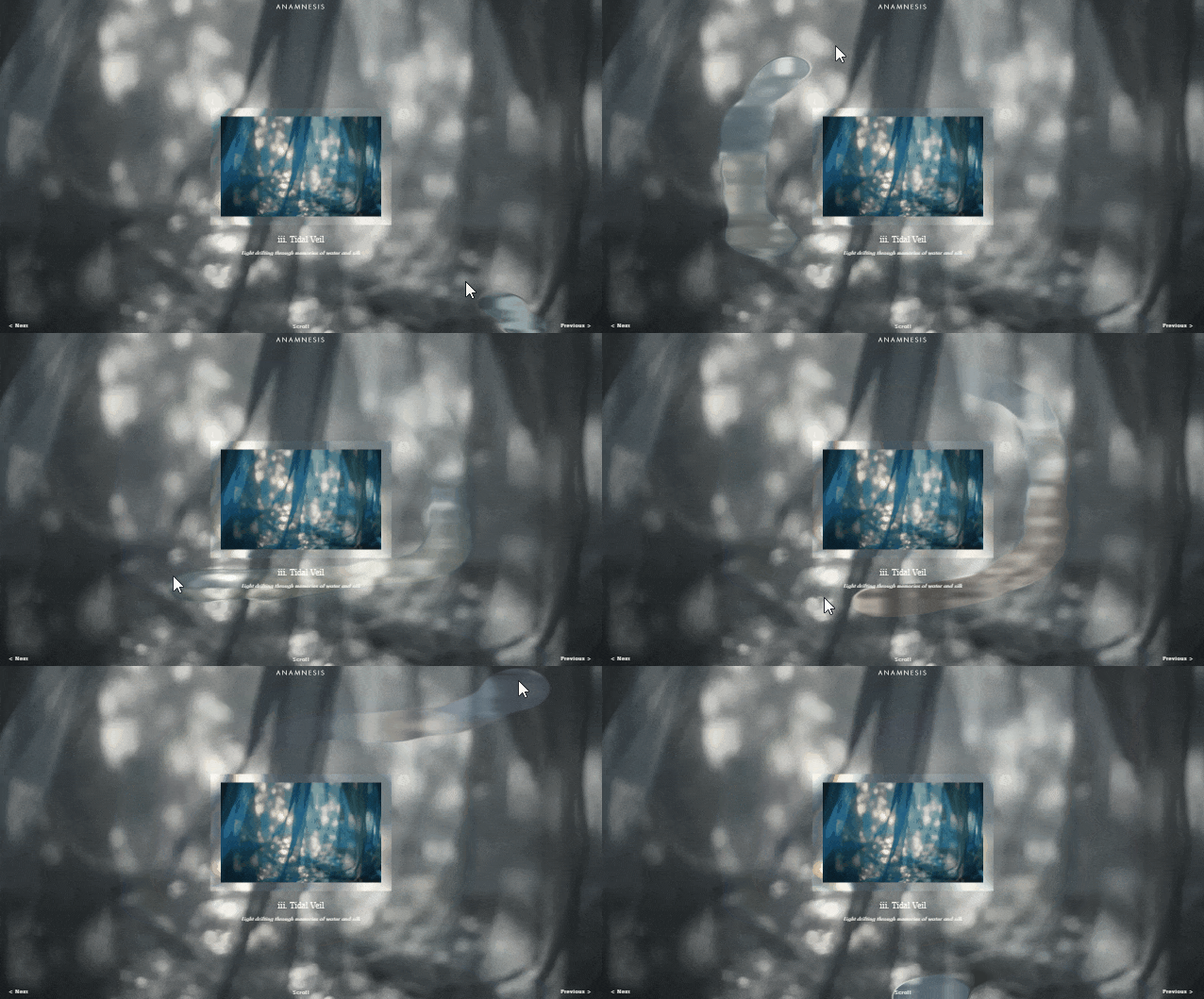
Trail effect generated along the mouse cursor’s path -
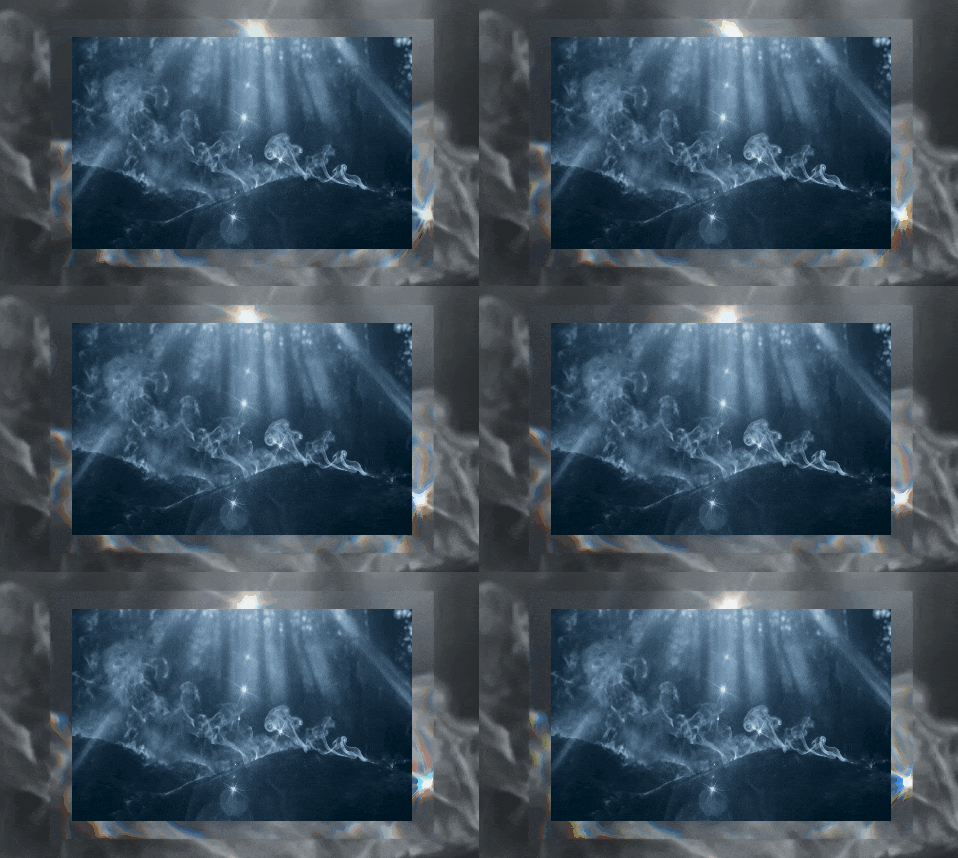
Glass layer adding a soft, prismatic distortion to the scene -
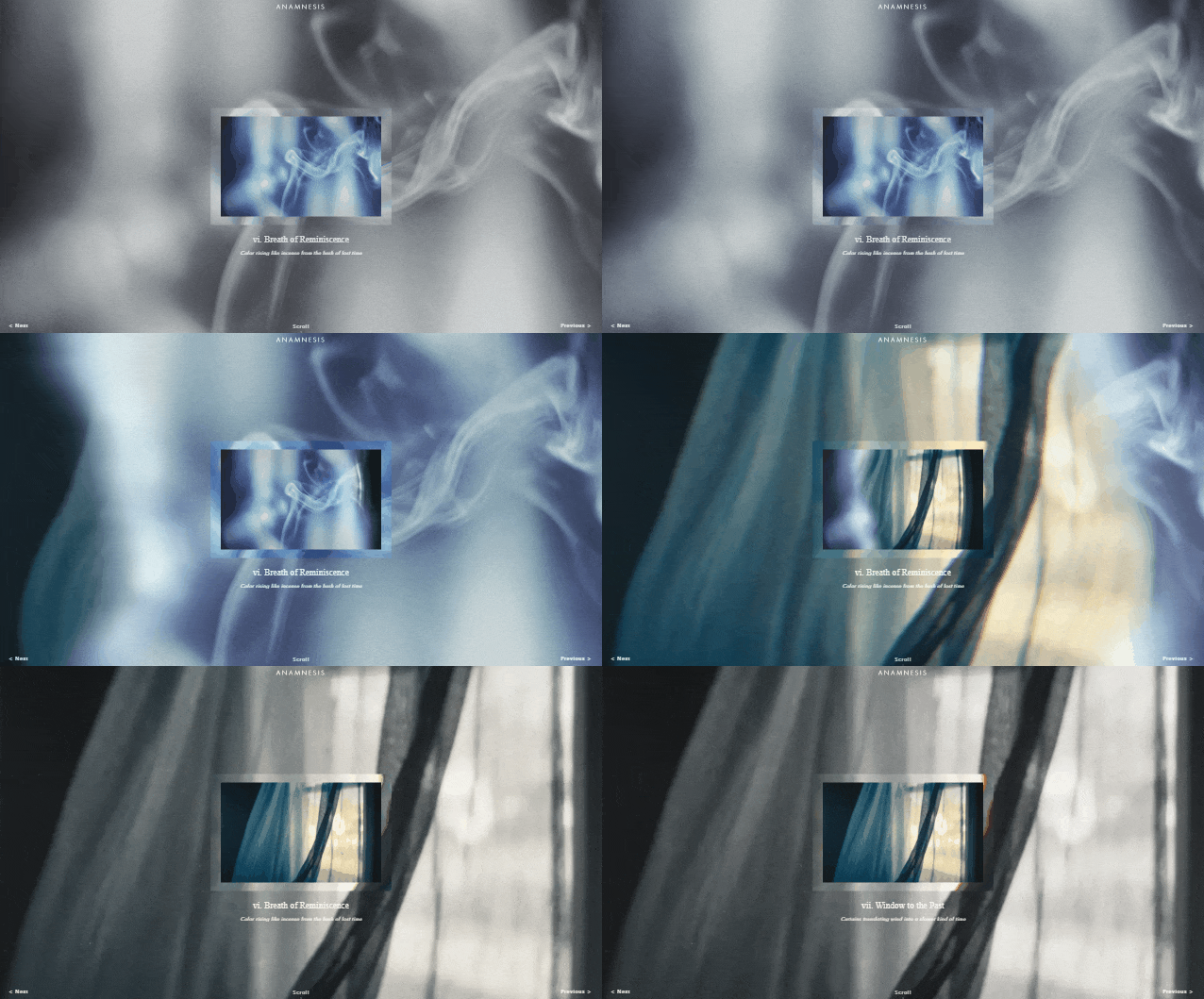
Transition when moving forward -
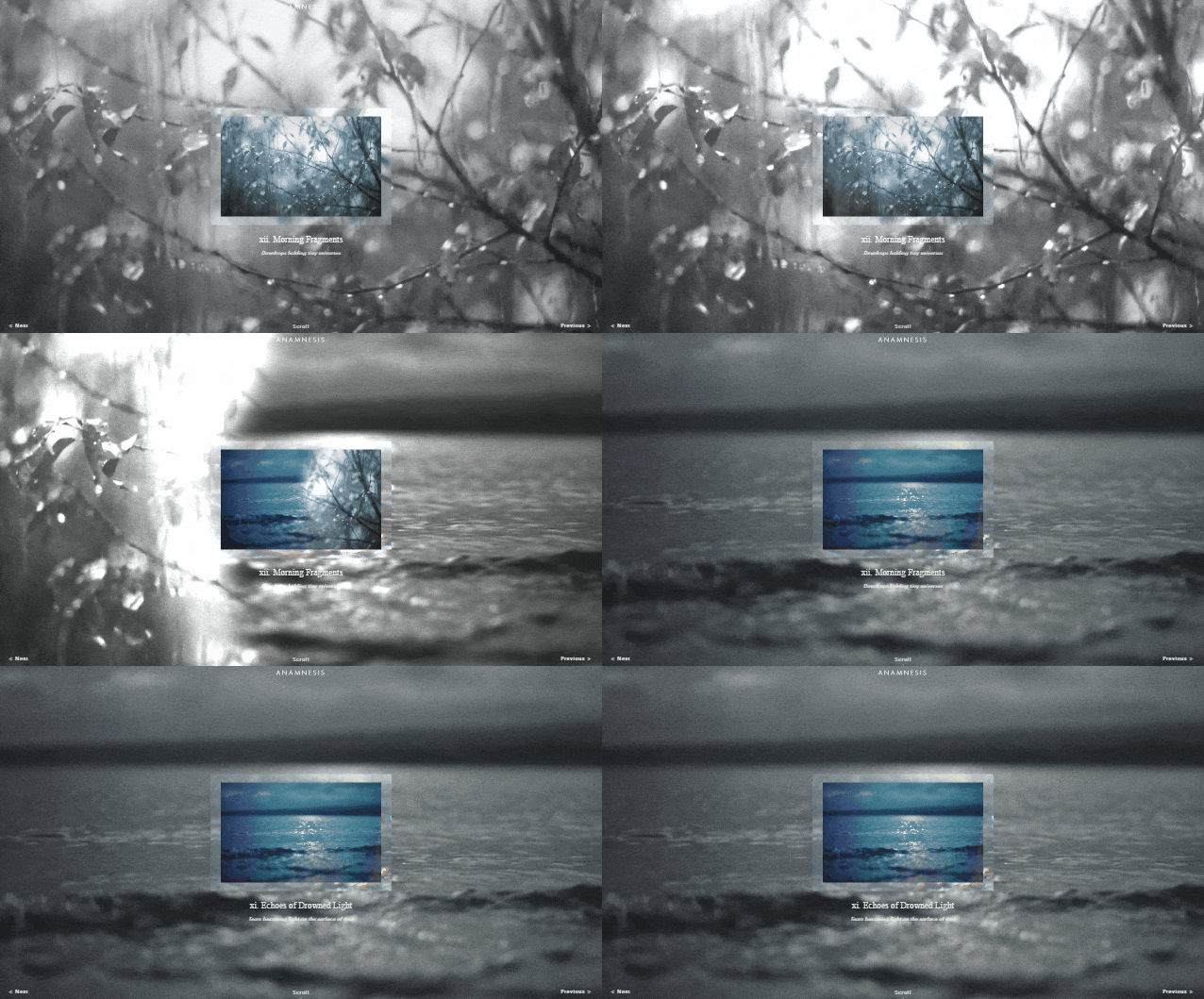
Transition when moving backward
- English -
Overview
This is a WebGL-based gallery site that takes light, water, and the memories that rise from them as its motif.
It is built around custom shaders written with Three.js and GLSL, layering multiple visual effects such as liquid background transitions, refraction through glass, and mouse-trail-driven distortions.
On desktop, works are switched via wheel scroll, while on smartphones they change via swipe gestures, with interaction design tailored to each device.
About the Title
“Anamnesis” is a title taken from Platonic philosophy, where it refers to the idea that the soul recalls knowledge it already possessed (“recollection”).
In this work, that idea is interpreted in a more sensory way: it deals with moments where memories—uncertain whether they truly belong to you, and images that feel like echoes of another life—suddenly surface, triggered by the trembling of light and water.
As described in the site’s own description, the gallery is positioned as a quiet place for contemplating memories that may be “the remnants of someone else’s life.”
Core Concept
At the core of this piece is the attempt to bring into being, as an experience through interaction and transition, those scenes that you can’t clearly remember, yet somehow feel you’ve seen somewhere before.
Animation / Visual Expression
All visual elements are built with custom shaders.
The liquid transition effect is designed around the image of new memories surging in like waves and layering over existing ones.
The tone of the transition also changes depending on whether you move forward or backward: when moving forward, color gradually rises into the scene to express the process of a memory becoming more vivid; when moving backward, exposure is lifted toward white to evoke the feeling of tracing memories in a flashback.
The central card recomposes the same texture used for the background with a different tone, creating a slight sense of depth between the world behind and the object in front.
The glass layer combines refraction, chromatic aberration, and subtle fringes, tuned to convey a gentle “thickness of light” without making the overall look feel overly flashy.
Findings Through Production (Collaboration with AI)
As a secondary theme, this project was also an experiment in “making maximum use of AI.”
Through this process, I strongly felt that: